Introduction: The Problem Every Plant Engineer Faces:
If you’re dealing with frequent motor trips or breakdowns, I highly recommend reading this guide on industrial motor failure causes and prevention before continuing.
If you’ve spent time in a plant or site, you already know this situation.
- A motor trips unexpectedly.
- The MCC panel looks fine.
- Your electrical technician says it’s not a supply issue.
- And production is already calling you every 10 minutes.
In those moments, you don’t need theory—you need a quick, reliable reference that actually helps you troubleshoot.
That’s where a solid industrial electricity handbook becomes valuable. Not a college textbook, but something practical you can use during real breakdowns, shutdowns, and commissioning work.
One book I’ve personally found useful (especially for quick reference and fundamentals refresh) is:
Book Overview:
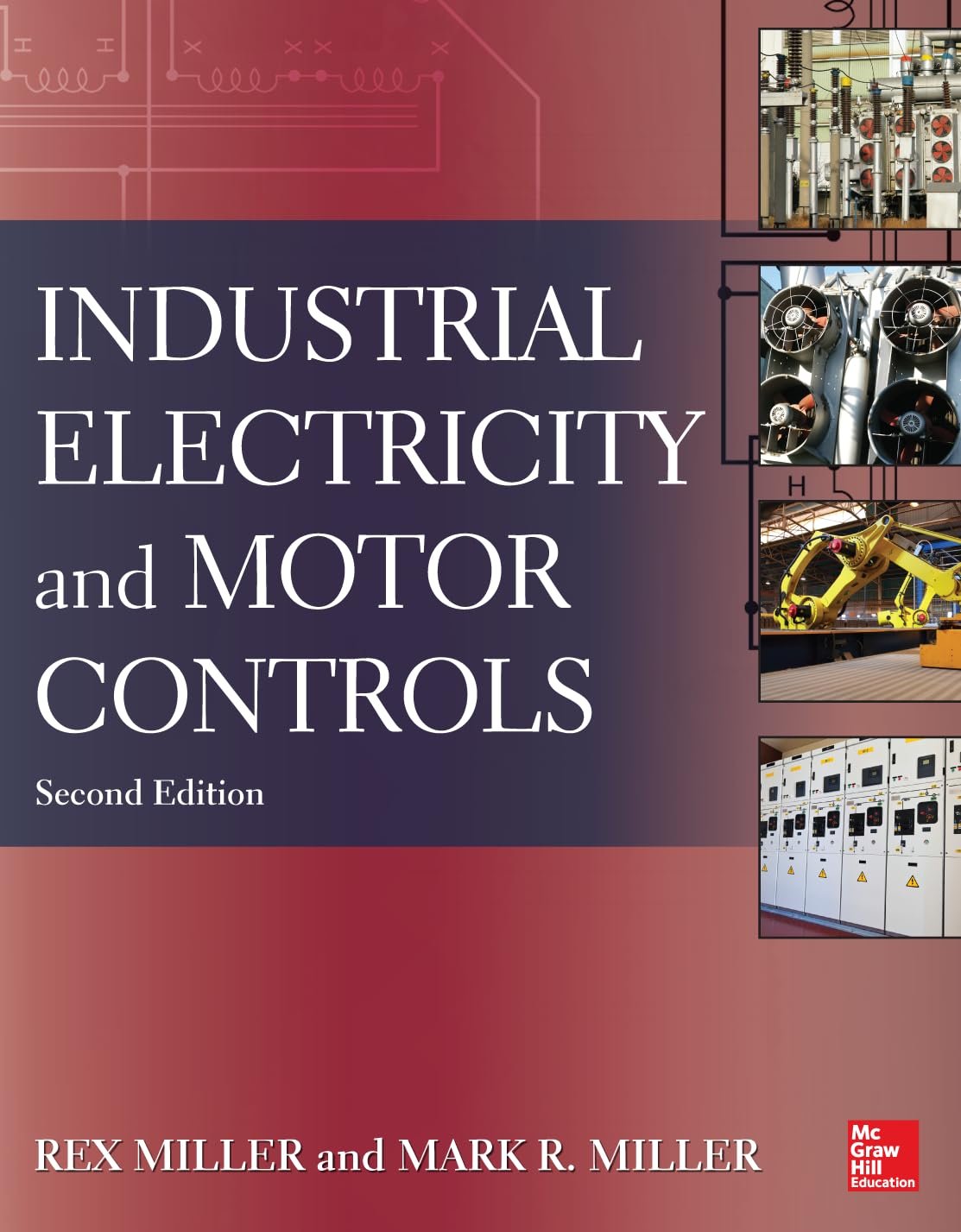
Industrial Electricity and Motor Controls, Second Edition by Rex Miller
This book is widely used across industrial environments—from manufacturing plants to oil & gas facilities.
It focuses on:
- Industrial electrical systems
- Motor controls and troubleshooting
- Electrical power fundamentals
- Wiring, circuits, and protection systems
What makes it stand out is simple:
It explains complex electrical concepts in a practical, easy-to-understand way, which is exactly what working engineers need.
Key Features:
- Clear explanation of industrial electricity basics
- Strong focus on motor controls and circuits
- Covers wire & cable selection and installation
- Practical diagrams used in electrical construction
- Useful for both electrical technician and mechanical engineers
- Includes real-world examples from industrial electrical services
- Good reference for electrical automation systems
What You Will Learn:
This is not just theory. You’ll actually learn things you can apply on-site:
- How industrial electric systems are designed and operated
- Basics of commercial electrical installation
- Understanding electrical power distribution in plants
- Motor starters, relays, and control circuits
Troubleshooting faults like:
- Motor not starting
- Overcurrent trips
- Control circuit failures
You’ll also get exposure to areas like:
- Electrical technologies used in industries
- How industrial electrical companies design systems
- Coordination between electrical and mechanical teams
Real-World Use Case (Why This Book Actually Helps)
Let me give you a real scenario.
In one refinery project, we had a recurring issue with a pump motor tripping intermittently. The industrial electrician initially suspected a voltage fluctuation. But readings were normal.
The issue turned out to be a control circuit wiring fault—a loose connection in the auxiliary contact.
Now here’s the point.
If you understand:
- Control logic
- Wiring diagrams
- Motor protection systems
You can solve this faster without waiting on multiple teams.
This book helps you build that level of understanding.
Whether you’re working with:
- Construction electrician teams
- Electrical construction company contractors
- Or even coordinating with a telecommunications electrician
You’ll be able to speak their language and troubleshoot smarter.
Who Should Buy This Book:
This handbook is useful for:
- Mechanical engineers working in plants
- Electrical engineers and electrical technicians
- Maintenance teams
- Reliability engineers
- Freshers entering industrial electrical companies
- Supervisors handling custom electrical projects
Even if you’re searching for an industrial electrician near me, understanding basics yourself gives you a huge advantage in decision-making.
Pros and Cons:
Pros:
- Easy to understand (no heavy academic language)
- Practical and field-oriented
- Covers both basics and intermediate topics
- Good for troubleshooting and quick reference
- Useful across industries (manufacturing, oil & gas, construction)
Cons:
- Not deeply advanced (not for high-level design engineers)
- Some examples feel slightly old-school
- Limited coverage of modern digital systems compared to newer books
| Feature | This Book | Typical Textbooks |
|---|---|---|
| Practical Knowledge | ✅ High | ❌ Low |
| Easy to Understand | ✅ Yes | ❌ Complex |
| Real-World Use | ✅ Strong | ❌ Limited |
| Troubleshooting Focus | ✅ Yes | ❌ Minimal |
| Suitable for Engineers | ✅ Yes | ⚠️ Mostly Students |
Final Verdict: Should You Buy It?
If you’re working in:
- Manufacturing
- Oil & gas
- Maintenance
- Construction or commissioning
Then yes—this book is absolutely worth having.
It won’t replace experience.
But it will reduce your learning curve significantly.
And in this field, that means:
- Less downtime
- Faster troubleshooting
- Better decisions
👉 Buy this Industrial Electricity and Motor Controls handbook here if you want a reliable industrial electricity reference on your desk.