Introduction: The Real Problem in the Field
If you’ve ever stood in front of a tripping line at 2 AM, staring at a Programmable logic controllers panel while production is screaming for restart — you already know the problem.
It’s not that PLCs are complicated.
It’s that you don’t always have the right reference when you need it most.
Most engineers rely on scattered notes, outdated training, or trial-and-error debugging. That’s risky — especially in oil & gas, manufacturing, or process plants where downtime costs thousands per hour.
That’s exactly where a solid handbook on programmable logic controllers becomes a lifesaver.
If you’re already working with rotating equipment, understanding failure patterns is equally critical. You can read my detailed guide on industrial electricity and motor controls here: [Industrial electricity and motor controls]
Book Overview:
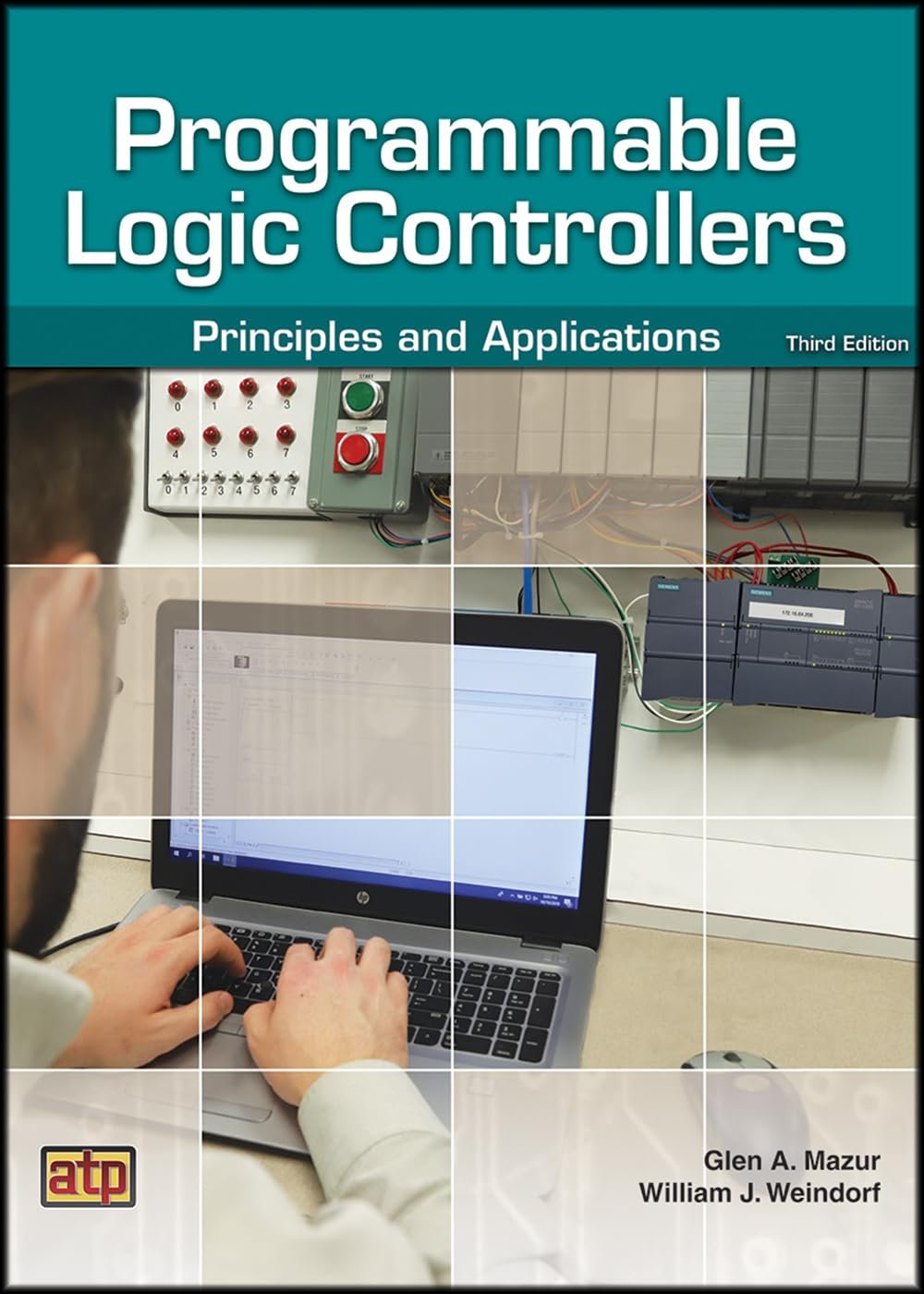
Programmable Logic Controllers: Principles and Applications covers the fundamentals of installing, programming, and troubleshooting PLC-embedded systems used in industrial control applications. This text/workbook provides a foundation for PLC troubleshooting using software and test instruments while adhering to electrical safety. It also covers the use of discrete and analog input and output device installation, programming, and operation.
Large, detailed illustrations of nano-, micro-, and modular PLCs, ladder and programming diagrams, and industrial control cabinets are depicted to support the information presented. Real-world examples allow the learner to follow PLC circuit and system wiring easily and understand the information displayed on PLC screens during the programming process for TECO, Allen-Bradley, and Siemens products.
Key Features:
- Clear explanation of ladder logic programming
- Covers both relay logic controller basics and modern PLC systems
- Practical examples of plc control panel design
- Includes fundamentals of programmable logic controller panel wiring
- Step-by-step approach to plc programmable logic development
- Useful for understanding low cost plc controller vs advanced systems
- Good coverage of major plc controller brands and architectures
Who Should Buy This Book:
This book is ideal for:
- Mechanical engineers working with automation
- Oil & gas maintenance engineers
- Electrical and instrumentation engineers
- Freshers entering PLC-based industries
- Technicians dealing with simple plc controller systems
- Anyone comparing programmable logic controller brands
Even if you’re not programming daily, understanding PLC logic gives you a massive advantage.
Pros and Cons:
✅ Pros:
- Practical and easy to understand
- Strong focus on real-world applications
- Covers both basics and intermediate topics
- Helps in troubleshooting actual plant issues
- Good introduction to plc controller price vs capability decisions
❌ Cons:
- Not deeply focused on advanced modern PLC software (like latest Siemens/Allen-Bradley versions)
- Slightly old-school in some examples
But honestly — fundamentals don’t change. And that’s what this book nails.
CONTENTS:
• Programmable Logic Controllers and Critical Safety Practices
• PLC Electrical Principles, Ratings, and Circuit Calculations
• PLC Programming Symbols, Diagrams, and Logic Functions
• PLC Hardware, Memory, and Operating Cycle
• PLC Systems, Circuits, and Interface Devices
• PLC Programming Diagrams, Addresses, and Bit Instructions
• PLC Programming Timer and Counter Instructions
• PLC Analog Device Installation, Programming, and Troubleshooting
• PLC Installations and Startup
• Troubleshooting Methods and Test Instrument Operation
• Testing and Troubleshooting Electrical Devices and PLC Hardware
• Troubleshooting with PLC Software
• PLC System Maintenance
Final Verdict:
If your work involves programmable logic controllers, even indirectly, this book is absolutely worth having.
It’s not just a learning resource — it’s a field reference you’ll keep coming back to.
Whether you’re dealing with a plc control panel, comparing programmable logic controller price, or debugging a system at site — this book gives you clarity.
👉 Don’t wait until the next breakdown to realize you need this
👉 Buy this handbook here and keep it as your go-to PLC reference
Quick Comparison with Other PLC Books:
| Feature | This Book | Typical Textbooks |
|---|---|---|
| Practical focus | ✅ High | ❌ Low |
| Easy language | ✅ Yes | ❌ Complex |
| Industry examples | ✅ Strong | ❌ Limited |
| Useful for job | ✅ Very | ❌ Mostly academic |